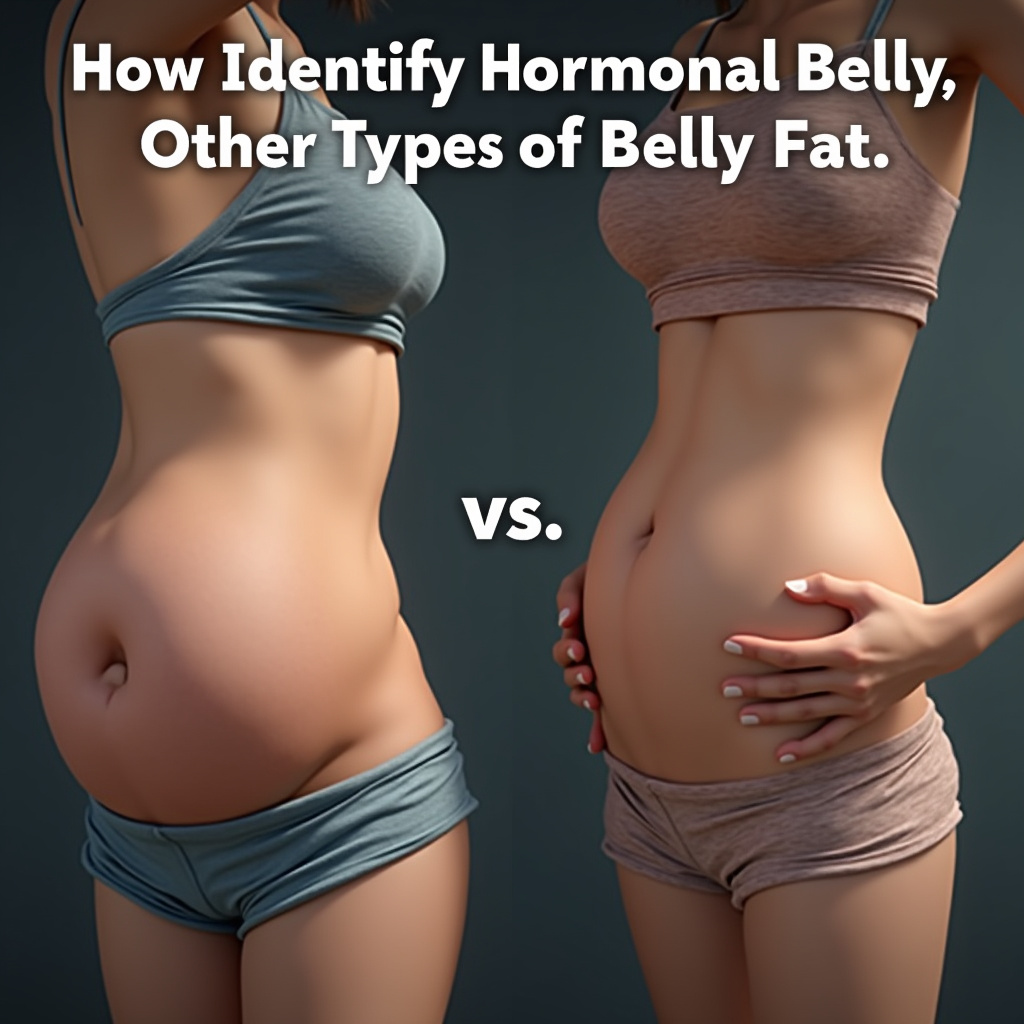
How to Identify Hormonal Belly vs. Other Types of Belly Fat
Understanding Belly Fat
Belly fat is a common concern for many people, and it can be frustrating to deal with. However, not all belly fat is created equal. In this article, we will explore the different types of belly fat, with a focus on hormonal belly fat, and provide you with tips on how to identify each type. Whether you’re struggling with weight or simply curious about your body, understanding these distinctions can help you make informed decisions about your health.
What is Hormonal Belly Fat?
Hormonal belly fat refers to excess fat that accumulates around the abdomen due to hormonal imbalances. This type of fat is often linked to changes in hormones such as cortisol, estrogen, and insulin. Stress, age, and lifestyle factors can influence these hormones, leading to a specific type of weight gain.
Signs of Hormonal Belly Fat
- Increased Stress Levels: High cortisol levels from stress can lead to fat accumulation around the belly.
- Menstrual Irregularities: Women may notice changes in their menstrual cycle, which can indicate hormonal issues.
- Difficulty Losing Weight: Hormonal belly fat can be stubborn and resistant to diet and exercise.
- Body Shape Changes: A shift toward an apple-shaped figure (wider midsection) is often a sign.
Other Types of Belly Fat
Aside from hormonal belly fat, there are other types of belly fat that can affect your health:
1. Visceral Fat
Visceral fat is the fat that wraps around your internal organs. It is considered more dangerous than subcutaneous fat (the fat just beneath the skin) because it can lead to serious health issues, including diabetes and heart disease. This type of fat is often associated with poor diet and lack of physical activity.
2. Subcutaneous Fat
Subcutaneous fat is the soft fat that you can pinch on your belly and is generally harmless. While it can be aesthetically displeasing, it does not pose the same health risks as visceral fat. However, excessive subcutaneous fat can still affect your self-esteem and body image.
3. Stress-Induced Fat
This type of fat is specifically linked to the impact of stress on your body. Elevated cortisol levels can lead to cravings for comfort foods, which may result in weight gain. Unlike hormonal belly fat, stress-induced fat may not be linked to other hormonal changes.
How to Identify Your Belly Fat Type
Identifying the type of belly fat you’re dealing with is essential for targeting your weight loss efforts effectively. Here are some tips to help you determine the type of belly fat you have:
1. Assess Your Symptoms
Pay attention to the symptoms associated with hormonal belly fat, such as stress levels and menstrual irregularities. If you experience these symptoms, you may be dealing with hormonal issues.
2. Check Your Body Shape
Take a look at your body shape. If you have a more pronounced waist and wider hips, you may have more subcutaneous fat. If you have a larger midsection and carry weight around your abdomen, it may be visceral or hormonal belly fat.
3. Consider Your Lifestyle
Your lifestyle plays a significant role in the type of belly fat you have. Evaluate your diet, exercise routine, and stress management techniques. A sedentary lifestyle and poor eating habits can lead to increased visceral fat.
Tips to Manage Hormonal Belly Fat
If you identify hormonal belly fat as your main concern, here are some effective strategies to help manage it:
- Reduce Stress: Practice stress-reducing techniques such as yoga, meditation, or deep breathing exercises.
- Eat a Balanced Diet: Focus on whole foods, including fruits, vegetables, lean proteins, and healthy fats.
- Stay Active: Regular exercise, including strength training and cardio, can help balance hormones and reduce belly fat.
- Consult a Professional: If you suspect hormonal imbalances, consider consulting a healthcare professional for personalized guidance.
Conclusion
Understanding the different types of belly fat is crucial for effectively managing your health. By identifying whether you have hormonal belly fat or another type, you can tailor your approach to weight loss and overall wellness. Remember, it’s always best to consult with a healthcare professional for personalized advice. With the right strategies in place, you can work towards a healthier, happier you!