The Role of Protein in Controlling Hormonal Belly
Understanding the Hormonal Belly
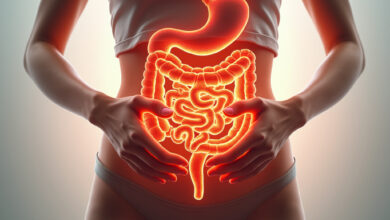
Many people experience weight gain in their belly area, often referred to as a “hormonal belly.” This term is commonly used to describe stubborn fat that accumulates due to hormonal imbalances, stress, and unhealthy lifestyle choices. Understanding how hormones affect our body can help us manage this condition effectively. One of the key elements in managing hormonal balance is diet, and protein plays a crucial role in this process.
What is Hormonal Imbalance?
Hormonal imbalance occurs when the levels of hormones in the body are too high or too low. These hormones include insulin, cortisol, estrogen, and testosterone, all of which have significant roles in metabolism and fat storage. When these hormones are out of balance, it can lead to increased appetite, cravings, and weight gain, particularly around the abdomen.
How Protein Influences Hormonal Balance
Protein is a vital macronutrient that contributes to various bodily functions, including hormone production and regulation. Here are some ways protein helps control hormonal belly:
- Promotes Satiety: Protein-rich foods help you feel full longer, reducing the likelihood of overeating and snacking on unhealthy foods.
- Regulates Blood Sugar Levels: Consuming adequate protein helps stabilize blood sugar levels, preventing spikes in insulin that can lead to fat storage.
- Supports Muscle Mass: Maintaining muscle mass is essential for a healthy metabolism. Protein helps in building and repairing muscles, which can improve overall body composition.
- Reduces Stress Hormones: Certain protein sources, like fish and legumes, are known to lower cortisol levels, the stress hormone that contributes to abdominal fat.
Choosing the Right Protein Sources
Not all protein sources are created equal. To effectively manage hormonal belly, focus on high-quality protein sources. Here are some excellent options:
- Lean Meats: Chicken, turkey, and lean cuts of beef are rich in protein without excess fat.
- Fish: Fatty fish like salmon and mackerel are not only high in protein but also contain healthy omega-3 fatty acids, which can reduce inflammation.
- Legumes: Beans, lentils, and chickpeas are great plant-based protein sources and are high in fiber, promoting digestive health.
- Dairy: Greek yogurt and cottage cheese offer protein along with beneficial probiotics for gut health.
- Nuts and Seeds: Almonds, chia seeds, and pumpkin seeds provide protein and healthy fats that support hormone balance.
Incorporating Protein into Your Diet
To reap the benefits of protein in managing hormonal belly, consider the following tips:
- Balance Your Meals: Aim to include a source of protein in every meal and snack. This can help keep your energy levels stable and reduce cravings.
- Meal Prep: Prepare protein-rich meals and snacks in advance to make healthy choices easier throughout the week.
- Explore New Recipes: Experiment with different protein sources and cooking methods to keep your meals exciting and flavorful.
- Listen to Your Body: Pay attention to how your body responds to different protein sources. Everyone’s needs are unique, so find what works best for you.
Conclusion
Managing hormonal belly can be challenging, but incorporating protein into your diet is a powerful strategy. By focusing on high-quality protein sources, you can promote hormonal balance, control cravings, and support a healthy metabolism. Remember, it’s not just about cutting calories, but nourishing your body with the right nutrients. Start today by making small changes to your diet, and enjoy the journey to a healthier you!