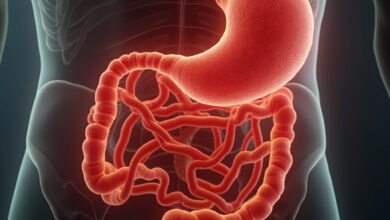
The Importance of Hydration in Reducing Hormonal Belly
Understanding Hormonal Belly
Many people struggle with weight management, and one common issue is what is often referred to as a “hormonal belly.” This term describes the accumulation of fat around the abdomen, which can be influenced by various hormonal changes in the body. Factors such as stress, diet, and lifestyle can all play a role in this condition. One of the most overlooked elements in managing hormonal belly is hydration.
Why Hydration Matters
Water is essential for almost every function in our body. It helps in digestion, nutrient absorption, and the regulation of body temperature. When it comes to hormonal balance, staying hydrated plays a critical role in:
- Regulating Hormones: Adequate hydration supports the production and regulation of hormones such as insulin, cortisol, and estrogen.
- Reducing Bloating: Water consumption can help flush out excess sodium and toxins, reducing bloating and swelling in the abdominal area.
- Enhancing Metabolism: Proper hydration boosts your metabolism, which can help in burning fat more efficiently.
How Hormones Influence Belly Fat
Hormones like cortisol (the stress hormone) and insulin (which regulates sugar levels) can lead to weight gain, particularly around the belly. When we are dehydrated, our body tends to retain water, leading to an increase in weight and, consequently, the appearance of a larger belly. Furthermore, dehydration can trigger stress responses, resulting in higher cortisol levels that promote fat storage.
Tips for Staying Hydrated
Staying hydrated does not have to be complicated. Here are some simple tips you can incorporate into your daily routine:
- Drink Water Regularly: Aim for at least eight 8-ounce glasses of water a day. Carry a reusable water bottle to remind yourself to drink.
- Eat Water-Rich Foods: Incorporate fruits and vegetables like cucumbers, watermelon, oranges, and lettuce, which naturally contain high water content.
- Set Reminders: Use your phone or an app to set reminders to drink water throughout the day.
- Flavor Your Water: If plain water feels boring, add slices of lemon, lime, or herbs like mint for a refreshing twist.
Recognizing Signs of Dehydration
Being aware of dehydration is crucial for maintaining hormonal balance. Some common signs include:
- Dry mouth
- Fatigue
- Dizziness
- Headaches
- Dark yellow urine
If you notice any of these symptoms, it’s essential to increase your water intake to help your body function optimally.
Combining Hydration with a Healthy Lifestyle
While hydration is important, it’s only one piece of the puzzle in managing hormonal belly fat. Combine proper hydration with a balanced diet, regular exercise, and stress management techniques such as yoga or meditation. This holistic approach will not only help you reduce hormonal belly but also improve your overall well-being.
Conclusion
Staying hydrated is a simple yet powerful way to combat hormonal belly. By understanding the connection between hydration and hormonal balance, you can take positive steps toward a healthier lifestyle. Remember, small changes can lead to significant results. So, grab a glass of water and start your journey to a flatter, healthier belly today!