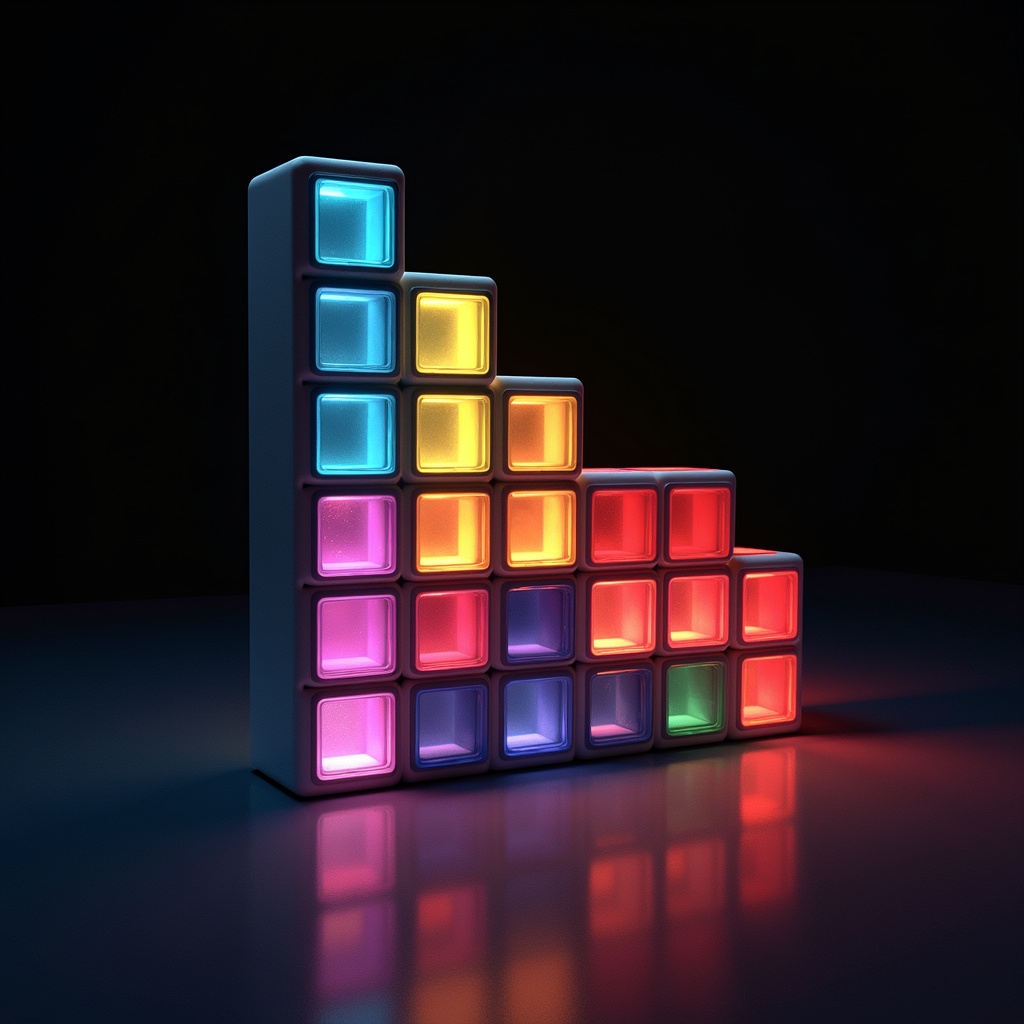
title”: “Tetris: Why This Classic Game Never Dies”,
{
“content”: “
Introduction
n
Tetris is more than just a game; it’s a cultural phenomenon that has stood the test of time. Created in 1984 by Russian software engineer Alexey Pajitnov, this simple yet addictive puzzle game has captivated millions across generations. But what is it about Tetris that keeps players coming back, even decades after its inception? In this article, we’ll explore the reasons why Tetris remains a beloved classic.
nn
The Universal Appeal of Tetris
n
One of the key reasons for Tetris’s enduring popularity is its universal appeal. Here are a few factors that contribute to its broad attraction:
n
- n
- Simple Mechanics: The rules of Tetris are straightforward. Players rotate and place falling blocks (Tetrominoes) to create complete lines. This simplicity makes it accessible to players of all ages and backgrounds.
- Endless Replayability: Each game of Tetris is unique. The random generation of blocks ensures that no two games are ever the same, keeping players on their toes and encouraging them to come back for more.
- Challenge and Skill Development: As players improve their skills, they can tackle higher levels of difficulty. This sense of progression is motivating, allowing players to set personal goals and strive for better scores.
n
n
n
nn
Technological Adaptation
n
Over the years, Tetris has seamlessly adapted to new technologies and gaming platforms. From its early days on personal computers to mobile phones and gaming consoles, Tetris has maintained its relevance by evolving with the times. Here are some notable adaptations:
n
- n
- Mobile Gaming: The rise of smartphones has made Tetris more accessible than ever. Versions like TETRIS® Blitz and TETRIS® 99 have introduced new gameplay mechanics while retaining the core essence of the game.
- Online Competitions: The advent of online gaming has allowed players to compete against others worldwide. TETRIS® 99, for example, pits 99 players against each other in a battle royale format, adding a new layer of excitement.
- Virtual Reality: The introduction of VR technology has given Tetris a fresh twist, providing immersive experiences that feel completely different from traditional gameplay.
n
n
n
nn
A Cultural Icon
n
Tetris has transcended the gaming world to become a cultural icon. Its music, characterized by the catchy “Korobeiniki” theme, is instantly recognizable and evokes feelings of nostalgia. The game’s visual style, with its bright colors and geometric shapes, has inspired art, fashion, and even educational tools. Here are some ways Tetris has influenced culture:
n
- n
- Art and Design: Artists have used Tetris as a theme in their work, creating pieces that reflect its geometric aesthetics and vibrant colors.
- Educational Tools: Tetris has been used in educational settings to teach concepts of spatial awareness and problem-solving skills.
- Media References: The game has appeared in various forms of media, from movies to television shows, further solidifying its status as a cultural touchstone.
n
n
n
nn
Tetris and Mental Health
n
Interestingly, Tetris has also been studied for its impact on mental health. Research suggests that playing Tetris can have several positive effects:
n
- n
- Stress Reduction: Engaging with Tetris can be a great way to unwind. The repetitive nature of the game can help clear your mind and reduce stress.
- Cognitive Benefits: Playing Tetris has been linked to improved spatial reasoning skills and cognitive flexibility, making it more than just a fun pastime.
- Combatting PTSD: Some studies indicate that playing Tetris shortly after experiencing a traumatic event can help reduce the occurrence of flashbacks.
n
n
n
nn
Community and Nostalgia
n
The Tetris community is another vital aspect of its enduring success. Fans often share their experiences, tips, and strategies online, fostering a sense of belonging. Additionally, nostalgia plays a significant role in Tetris’s lasting popularity. Many players who grew up with the game introduce it to the next generation, creating a cycle of love and appreciation. Here’s how community and nostalgia work together:
n
- n
- Shared Experiences: Players often reminisce about their first experiences with Tetris, sharing stories that connect them with others who have similar memories.
- Family Bonding: Tetris can be a family-friendly game that brings together different generations, allowing parents to bond with their children over a timeless classic.
- Online Communities: From forums to social media groups, players share their passion for Tetris, making it easy to find others who share the same interest.
n
n
n
nn
Conclusion
n
Tetris has proven that great games never truly die. Its simple mechanics, technological adaptability, cultural significance, mental health benefits, and strong community make it a game that resonates with players of all ages. As long as there are people who enjoy a good challenge, Tetris will continue to thrive, reminding us that sometimes, the simplest ideas can be the most enduring. So, whether you’re a seasoned player or a newcomer, grab your controller and dive into the world of Tetris—there’s always a new line to clear!
”
}