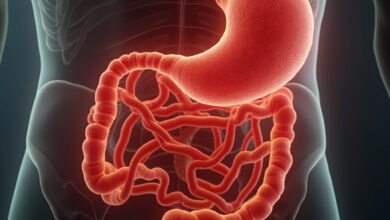
Hormonal Belly and Thyroid Health: What You Need to Know
Understanding Hormonal Belly
Hormonal belly refers to excess abdominal fat that is often influenced by hormonal imbalances in the body. Many people experience this condition, which can be frustrating and challenging to manage. Understanding the link between hormones and weight gain, particularly around the belly area, is essential for anyone looking to improve their overall health.
The Role of Hormones
Hormones are chemical messengers that regulate various processes in the body, including metabolism, appetite, and fat storage. Several hormones can contribute to hormonal belly, including:
- Insulin: High levels of insulin, often due to insulin resistance, can lead to increased fat storage, especially around the abdomen.
- Cortisol: Known as the stress hormone, elevated cortisol levels can lead to weight gain, particularly during stressful times.
- Estrogen: Imbalances in estrogen, especially during menopause, can contribute to weight gain in women.
- Testosterone: Low testosterone levels in men can lead to increased fat accumulation.
Thyroid Health and Its Impact
The thyroid is a small gland located in the neck that plays a significant role in regulating metabolism. When the thyroid is not functioning properly, it can lead to weight gain and difficulty losing weight. Two common thyroid conditions that can affect weight include:
- Hypothyroidism: This condition occurs when the thyroid is underactive, leading to a slowed metabolism and weight gain.
- Hyperthyroidism: Conversely, an overactive thyroid can cause weight loss, but it can also lead to muscle loss and other health issues.
Signs of Thyroid Issues
If you suspect that thyroid health may be contributing to your hormonal belly, look out for these signs:
- Unexplained weight gain or difficulty losing weight
- Fatigue and low energy levels
- Changes in hair and skin (dryness, thinning hair)
- Cold intolerance or feeling unusually hot
- Constipation or changes in bowel habits
Managing Hormonal Belly Through Lifestyle Changes
While hormonal imbalances can be challenging, several lifestyle changes can help manage hormonal belly and support thyroid health:
- Balanced Diet: Focus on a whole-food diet rich in fruits, vegetables, lean proteins, and healthy fats. Avoid processed foods and sugars that can spike insulin levels.
- Regular Exercise: Incorporate both cardiovascular and strength-training exercises into your routine to help regulate hormones and boost metabolism.
- Stress Management: Practice stress-reducing techniques such as yoga, meditation, or deep-breathing exercises to lower cortisol levels.
- Sleep Hygiene: Aim for 7-9 hours of quality sleep each night, as poor sleep can negatively impact hormone levels.
When to Seek Professional Help
If you have made lifestyle changes and still struggle with hormonal belly or suspect thyroid issues, it may be time to consult a healthcare professional. They can perform tests to evaluate hormone levels and thyroid function, providing a clearer picture of your health. Treatment options may include lifestyle changes, medications, or hormone therapy, depending on your specific needs.
Conclusion
Understanding the connection between hormonal belly and thyroid health is crucial for achieving and maintaining a healthy weight. By recognizing the signs of hormonal imbalances and making positive lifestyle changes, you can take control of your health and feel better in your body. Remember, you are not alone in this journey, and seeking help when needed is a sign of strength.