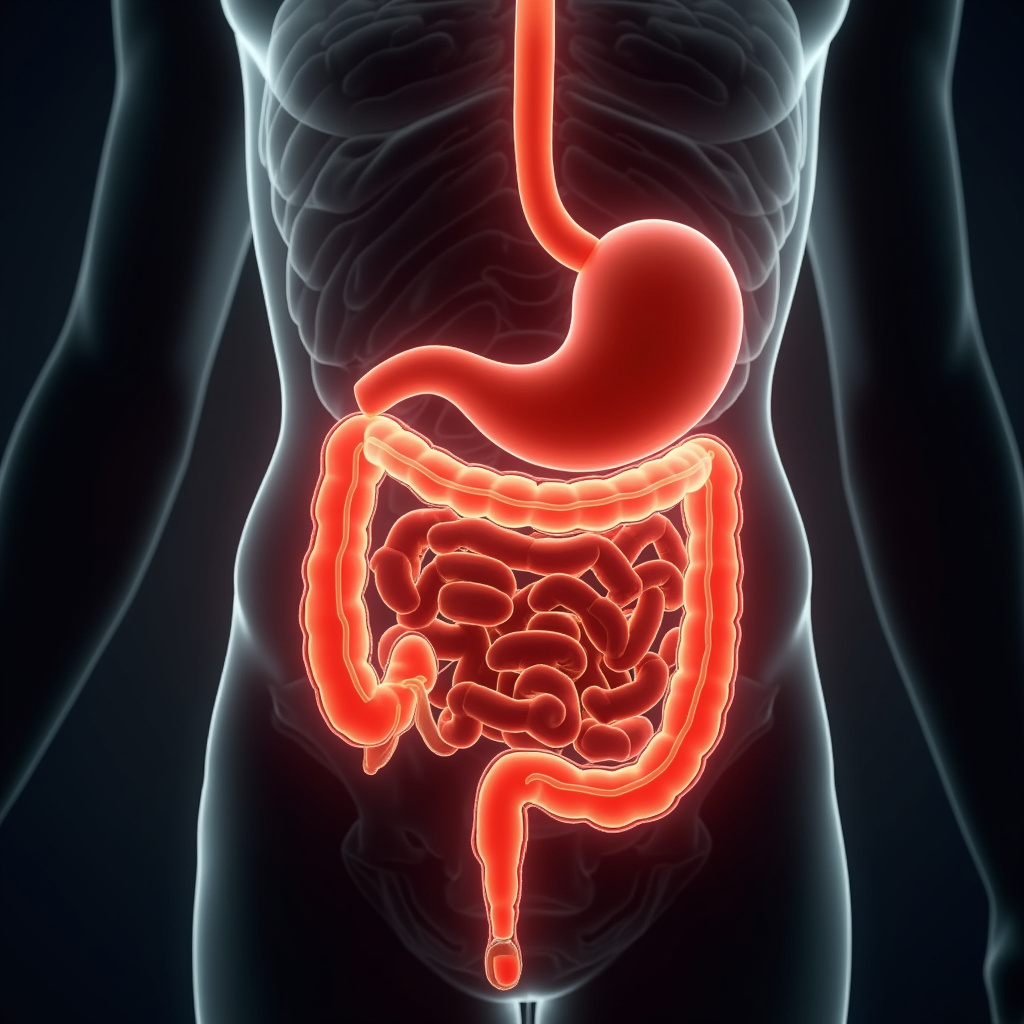
Hormonal Belly: Understanding Insulin Resistance
What is Hormonal Belly?
Hormonal belly refers to weight gain, particularly around the abdomen, that is influenced by hormonal imbalances in the body. One of the key players in this scenario is insulin, a hormone that regulates blood sugar levels. When our bodies become resistant to insulin, it can lead to a range of health issues, including weight gain and an increase in belly fat.
The Role of Insulin in the Body
Insulin is produced by the pancreas and plays a vital role in how our bodies use glucose (sugar). After we eat, our blood sugar levels rise, prompting the pancreas to release insulin. This hormone helps cells absorb glucose for energy or store it for later use. However, when we consume too many refined carbohydrates and sugars, our body may produce excess insulin, leading to insulin resistance.
Understanding Insulin Resistance
Insulin resistance occurs when cells in the body become less responsive to insulin. As a result, the pancreas produces even more insulin to help manage blood sugar levels. This cycle can lead to higher insulin levels in the blood, which can promote fat storage, particularly in the belly area.
Causes of Insulin Resistance
Several factors can contribute to insulin resistance, including:
- Unhealthy Diet: A diet high in processed foods, sugary drinks, and refined carbohydrates can spark insulin resistance.
- Physical Inactivity: Lack of exercise can lead to weight gain and insulin resistance.
- Genetics: Family history can play a role in how your body processes insulin.
- Hormonal Changes: Conditions like Polycystic Ovary Syndrome (PCOS) can lead to hormonal imbalances that contribute to insulin resistance.
- Stress: High stress levels can increase cortisol, a hormone that can affect insulin sensitivity.
Signs and Symptoms of Insulin Resistance
Recognizing the signs of insulin resistance can help you take action early. Common symptoms include:
- Increased abdominal fat
- Fatigue or low energy levels
- Frequent hunger or cravings, especially for sweets
- Difficulty concentrating
- Skin changes, such as dark patches or acanthosis nigricans
How to Manage Insulin Resistance
Managing insulin resistance involves lifestyle changes that can help restore balance to your hormones. Here are some effective strategies:
- Adopt a Balanced Diet: Focus on whole foods, including plenty of fruits, vegetables, whole grains, lean proteins, and healthy fats. Reduce your intake of refined carbs and sugars.
- Increase Physical Activity: Aim for at least 150 minutes of moderate exercise each week. Activities like walking, swimming, and strength training can improve insulin sensitivity.
- Manage Stress: Incorporate stress-reduction techniques into your daily routine, such as yoga, meditation, or deep-breathing exercises.
- Get Enough Sleep: Prioritize quality sleep, as poor sleep can negatively impact insulin sensitivity.
- Stay Hydrated: Drink plenty of water throughout the day to support overall health.
Conclusion
Understanding hormonal belly and its connection to insulin resistance can empower you to make informed choices about your health. By adopting a balanced diet and an active lifestyle, you can work towards reversing insulin resistance and reducing belly fat. Remember, small changes can lead to significant improvements in your overall well-being. If you suspect you have insulin resistance, consider consulting a healthcare professional for personalized guidance.